Head Quarters
Mbamba Bay Katumbi Street, Plot No. 24
P.O.Box 90 Nyasa, Ruvuma, Tanzania
******************************************
Songwe Sub-Office:
Tunduma, P.O. Box 159, Momba – Tanzania

Tanzania’s healthcare journey reflects remarkable progress alongside persistent challenges. Since independence in 1961, sustained government commitment has expanded health infrastructure, improved service delivery, and strengthened the health system—contributing to major reductions in infectious diseases such as malaria, tuberculosis, and HIV/AIDS.
Despite these gains, gaps remain. Limited financing, health workforce shortages, and unequal access—particularly in rural and border communities—continue to affect health outcomes. At the same time, the growing burden of non-communicable diseases, environmental pressures, climate variability, and demographic change demand adaptive, preventive, and integrated solutions.
The One Health approach offers a clear path forward by recognizing the close links between human, animal, and environmental health. In the Southern Highlands and similar ecological settings, One Health is essential for early detection and control of zoonotic diseases, integrated vector surveillance, climate and environmental risk management, and coordinated outbreak preparedness. To strengthen learning and evidence-based practice, SOHICOHE draws reference and educational resources from globally recognized One Health knowledge platforms, including the One Health Initiative and the American Veterinary One Health Society, which promote interdisciplinary collaboration and prevention-focused action.
SOHICOHE promotes community-driven One Health action by engaging schools, youth, community health workers, livestock and environmental officers, and local leaders. Through prevention, digital surveillance, and multisectoral collaboration, we contribute to resilient health systems that protect people, livelihoods, and ecosystems—now and in the future.
Donations are the lifeblood of SOHICOHE's mission to combat diseases. With your support, we can sustain and expand our critical programs
Donations enable SOHICOHE to extend its reach to these vulnerable populations. Your contributions can fund outreach efforts, mobile vaccination clinics, and education campaigns, ensuring that even the most isolated communities receive essential protection and information.
Research is at the forefront of understanding, preventing, and mitigating disease outbreaks. Donations empower SOHICOHE to invest in research and innovation.

Epidemiologist

Public Health Specialist

Social Worker
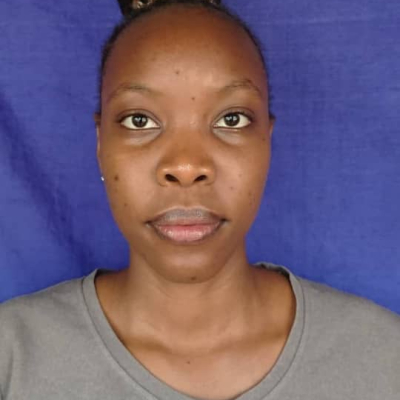
Human Nutritionist

Biotechnologist

Public Healt Officer
A fresh foot-and-mouth disease (FMD) flare-up in South Africa’s Eastern Cape has triggered livestock movement restrictions until 23 January 2026. This outbreak is a reminder that FMD in Africa is largely driven by animal movement—something also shown by Tanzania’s molecular evidence (1967–2009), where multiple serotypes were genetically linked to East African lineages, underscoring the need for One Health surveillance and coordinated regional control
A multidisciplinary research team has identified a previously unknown mosquito within the Anopheles gambiae complex along the coastal regions of Tanzania and Kenya. The mosquito, provisionally named the Pwani molecular form, is genetically distinct and exhibits a unique insecticide resistance profile that differs from known malaria vectors. Led in part by Sophia Mwinyi, the study highlights critical gaps in current malaria vector surveillance and raises concerns about the effectiveness of existing control strategies. The findings underscore the importance of genomic surveillance, integrated research approaches, and stakeholder engagement to address emerging and cryptic threats to malaria control in endemic regions.
A health alert has been issued in Mexico following an increase in New World screwworm cases affecting pets and livestock. Authorities emphasize early detection, wound management, and prompt veterinary care to prevent severe complications.
A new study reveals that Escherichia coli can be induced to produce antimicrobial compounds by activating dormant genetic pathways, offering promising new directions for antibiotic discovery and antimicrobial resistance control
SOHICOHE is inviting applications for a Volunteer Social Worker to support office coordination, community engagement, and field activities at the Tunduma sub-office.
Disease intelligence reports released in mid to late December 2025 by ProMED reveal a complex and evolving outbreak landscape across the African region, marked by simultaneous increases in waterborne, vaccine-preventable, respiratory, vector-borne, and zoonotic diseases. Multiple cholera outbreaks, some with reported fatalities, have been documented in the Democratic Republic of Congo (including Kinshasa and Lomami Province), Malawi (Lilongwe and Balaka districts), and Burundi, particularly affecting densely populated urban settings and refugee camps—highlighting persistent gaps in water, sanitation, and hygiene (WASH) infrastructure. At the same time, measles outbreaks with fatal cases have been reported in Angola and Uganda, signaling ongoing immunization coverage challenges among school-age populations. Additional alerts include rising Influenza A (H3N2) incidence in Algeria, increased malaria transmission with deaths in Sudan, and continued circulation of circulating vaccine-derived poliovirus type 2 (cVDPV2) in Angola, alongside confirmed diphtheria outbreaks in Somalia where vaccination campaigns are underway. High-fatality zoonotic threats such as Lassa fever in Nigeria and rabies cases among seals in Namibia further underscore the importance of a One Health approach that recognizes the interconnectedness of human, animal, and environmental health. Collectively, these outbreaks demonstrate heightened regional vulnerability driven by population movement, climate variability, strained health systems, and surveillance gaps, reinforcing the urgent need for strengthened cross-border disease monitoring, timely risk communication, and community-based prevention strategies. In response, Southern Highlands Community Health (SOHICOHE) continues to prioritize preventive health education, early warning awareness, and behavior-change interventions—particularly through School Health Clubs—as a sustainable platform to enhance preparedness, promote hygiene and vaccination uptake, and reduce the risk of disease spread at community and regional levels.
The Ministry of Health, through the Epidemiology Section, has released the Week 51 surveillance report confirming no detected cases of Influenza or COVID-19 across sentinel surveillance sites in Tanzania. SOHICOHE shares this update as part of its public health information dissemination.
Goziba Island, Muleba District – Kagera Region | 20 December 2025
Magonjwa yanayotokana na chakula ni changamoto kubwa kwa afya ya umma kote ulimwenguni, na maeneo yanayoendelea kama Afrika yakiwa na mzigo mkubwa zaidi. Kulingana na Shirika la Afya Ulimwenguni (WHO), Afrika inakumbana na takriban kesi milioni 135 za magonjwa yanayotokana na chakula kila mwaka, na kusababisha vifo karibu 180,000. Athari zake nchini Tanzania ni kubwa, ambapo vijidudu kama Salmonella spp., Escherichia coli (E. coli), norovirus, na Campylobacter spp. huchangia kwa sehemu kubwa ya magonjwa haya. Licha ya ukubwa wa tatizo hili, mzigo wake kwa watu binafsi, familia, na mifumo ya afya mara nyingi hupuuzwa, na hatua za kuzuia zinabaki kuwa duni. Nchini Tanzania, mfumo wa ukaguzi wa usalama wa chakula unakumbwa na changamoto nyingi, hasa katika vituo vya mipakani na masoko ambako bidhaa za chakula huingia kwenye mnyororo wa usambazaji bila ukaguzi wa kutosha. Matokeo ya mapungufu haya ni makubwa, yakichangia ongezeko la magonjwa na vifo na kuathiri uzalishaji wa kiuchumi. Kukabiliana na tatizo hili kunahitaji juhudi za pamoja ili kuboresha viwango na ukaguzi wa usalama wa chakula, kulingana na kanuni za afya za kimataifa. Mashirika kama Sohicohe yanafanya juhudi za kuziba pengo hili kwa kuongeza uelewa na kukuza usalama wa chakula. Kupitia mikakati bunifu kama vile podcast za kukuza afya zinazolenga maeneo ya vijijini, wanasaidia kufikisha elimu ya usalama wa chakula kwa jamii zilizo mbali zaidi. Kwa kuzingatia hatua za kinga kama hizi, Tanzania ina nafasi ya kupunguza kwa kiasi kikubwa kuenea kwa magonjwa yanayotokana na chakula na kulinda afya ya raia wake.
The Tanzanian Ministry of Health has implemented a series of precautionary measures to prevent the entry and spread of Mpox in the country, following the global rise in cases. These measures include enhanced screening at ports and borders, increased community surveillance, and the readiness of healthcare facilities. Public health education campaigns have also been launched to raise awareness. Tanzanians are urged to follow preventive guidelines such as seeking medical attention for symptoms, practicing good hygiene, and avoiding direct contact with potentially infected individuals. Tanzania remains Mpox-free, but vigilance is key to maintaining this status. Source: African Travel and Tourism Association (ATTA)