Head Quarters
Mbamba Bay Katumbi Street, Plot No. 24
P.O.Box 90 Nyasa, Ruvuma, Tanzania
******************************************
Songwe Sub-Office:
Tunduma, P.O. Box 159, Momba – Tanzania

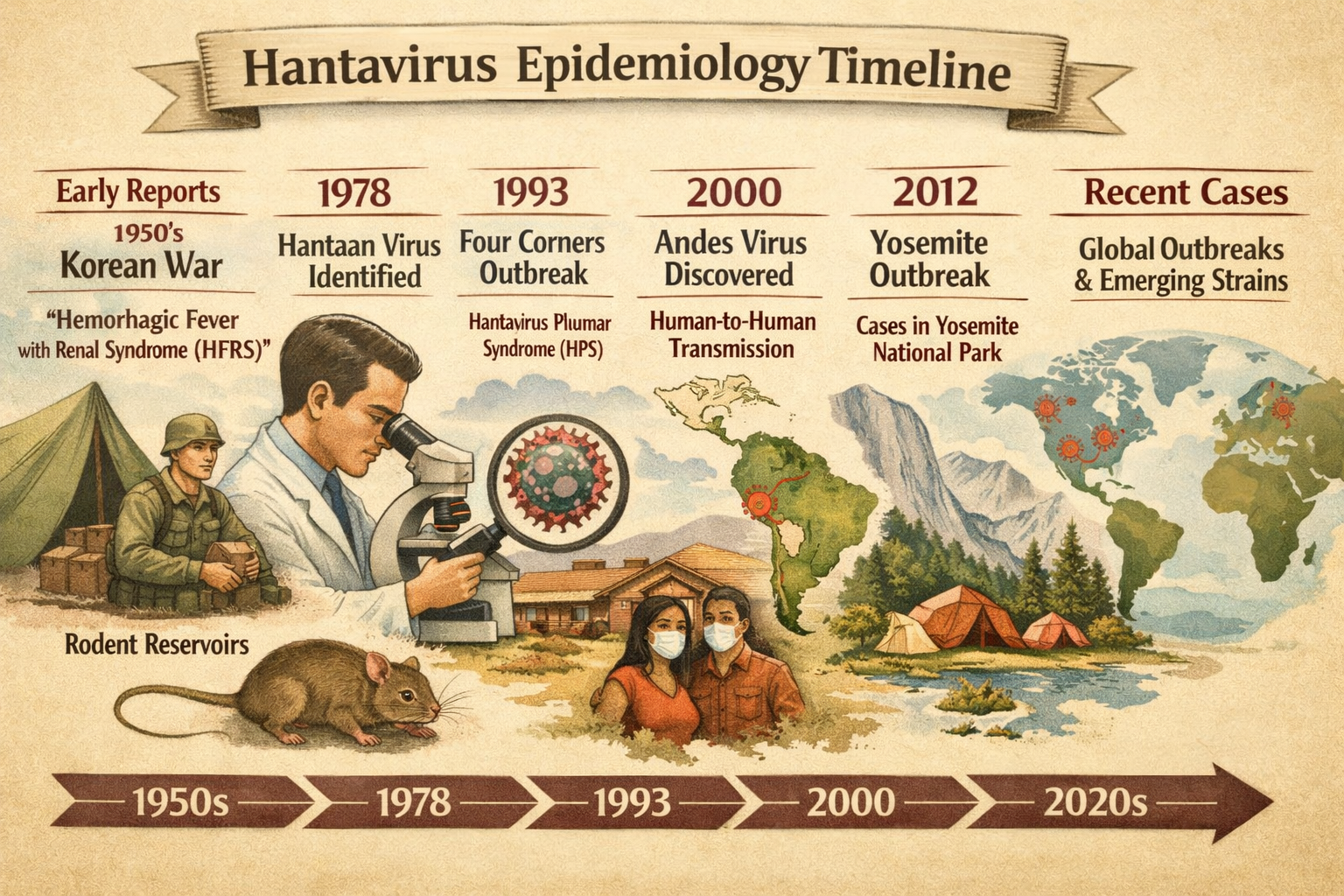
SOHICOHE highlights the 2026 hantavirus outbreak linked to the MV Hondius cruise ship as a warning that rare zoonotic diseases can travel across borders, expose preparedness gaps, and require stronger One Health surveillance from the community level to international response.
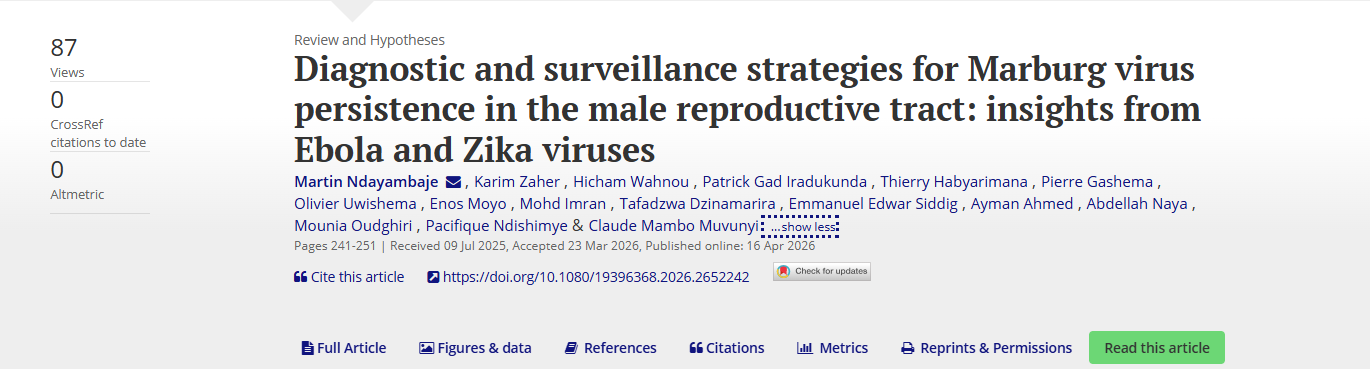
Utafiti mpya unaonesha kuwa Marburg virus disease inaweza kuendelea kuwepo mwilini baada ya kupona, hasa katika mfumo wa uzazi wa mwanaume, na huenda ikaathiri uwezo wa uzazi pamoja na kuhitaji ufuatiliaji wa muda mrefu.
The World Health Organization invites stakeholders to review and provide feedback on the draft Global Action Plan on Skin Diseases (2026–2035) before 10 May 2026. World Health Organization inakaribisha wadau kutoa maoni kuhusu rasimu ya Mpango wa Kimataifa wa Magonjwa ya Ngozi (2026–2035) kabla ya tarehe 10 Mei 2026.
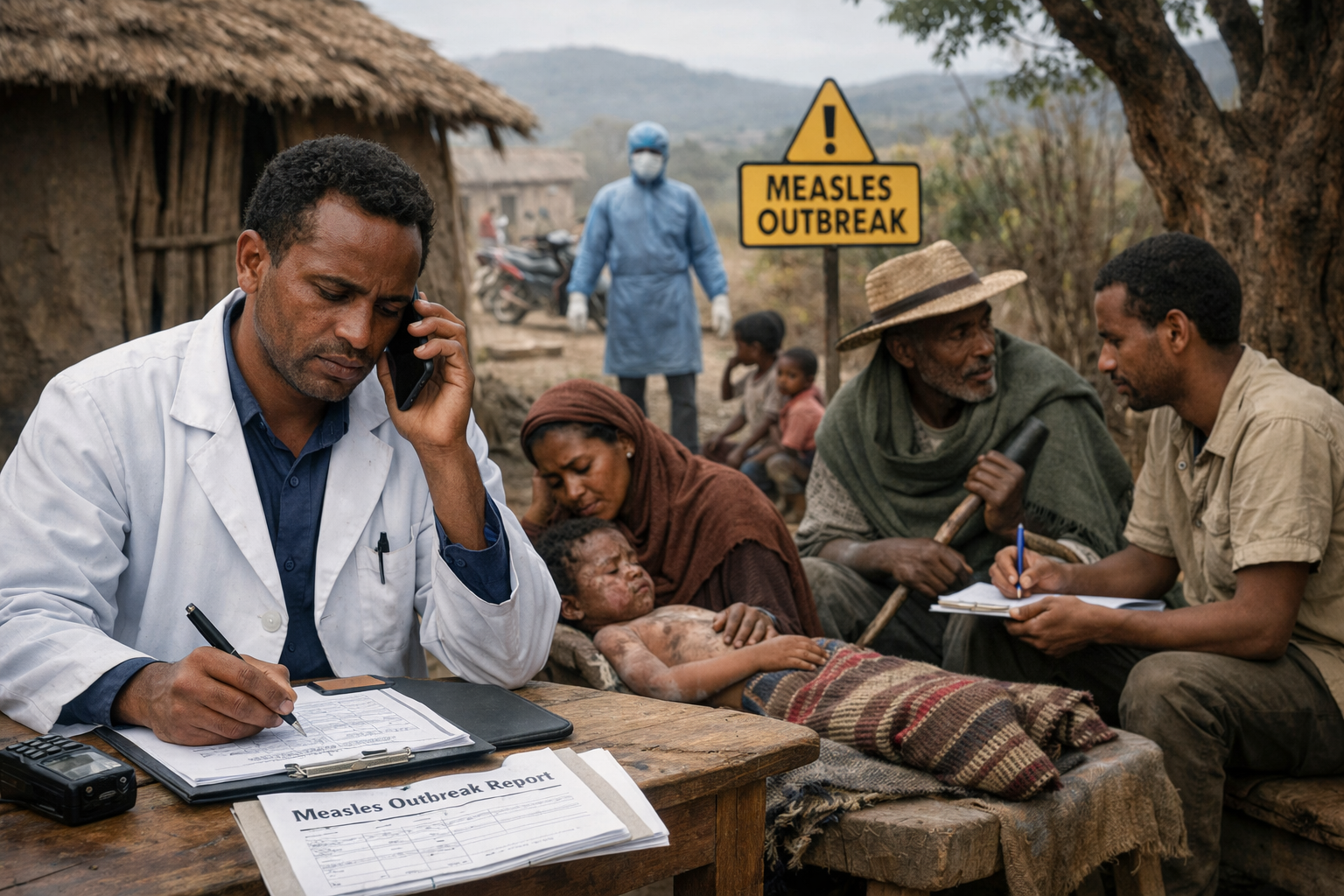
A study from Southern Ethiopia shows delays in detecting measles outbreaks despite timely reporting, highlighting the need for stronger community surveillance systems. Utafiti kutoka Southern Ethiopia umeonyesha ucheleweshaji katika kugundua milipuko ya surua licha ya taarifa kutolewa kwa wakati, ukisisitiza umuhimu wa kuimarisha ufuatiliaji ngazi ya jamii.
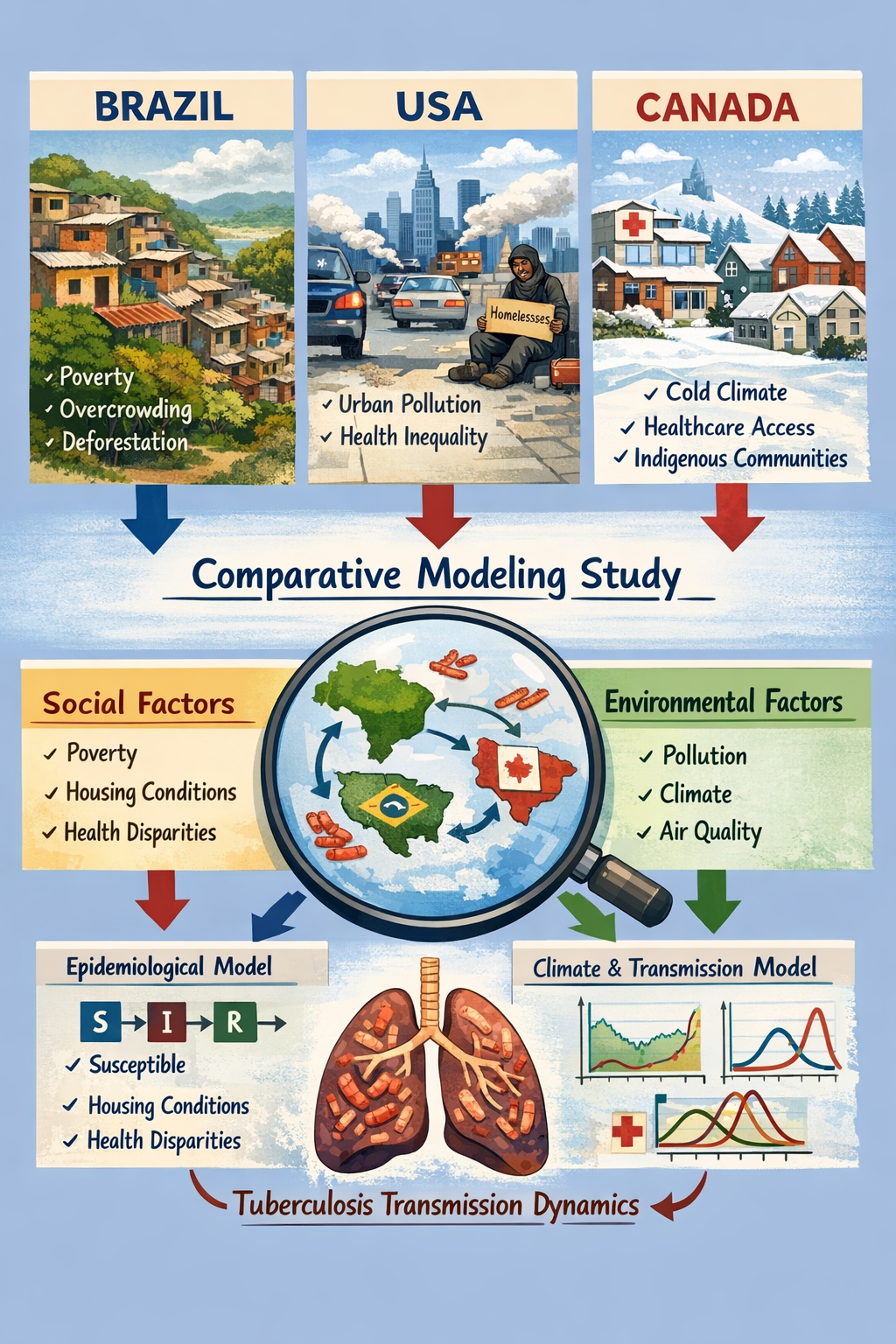
Utafiti wa hivi karibuni umeonesha kuwa Tuberculosis (TB) bado ni changamoto kubwa ya afya ya umma duniani, huku kukiwa na ongezeko la visa katika baadhi ya nchi na kuendelea kwa maambukizi katika maeneo mengine. Utafiti huu, uliofanywa na Idisi Isaiah Oke na wenzake, unawasilisha modeli mpya inayojumuisha si tu mienendo ya maambukizi ya ugonjwa, bali pia mchango wa tabia za jamii na mazingira katika kusambaa kwa TB. Modeli hiyo inaonesha kuwa uelewa wa jamii, unaochochewa na elimu ya afya na vyombo vya habari, unaweza kupunguza kwa kiasi kikubwa kasi ya maambukizi. Aidha, uwepo wa vimelea vya TB katika mazingira umeonekana kuwa na mchango muhimu katika kuendelea kwa maambukizi.
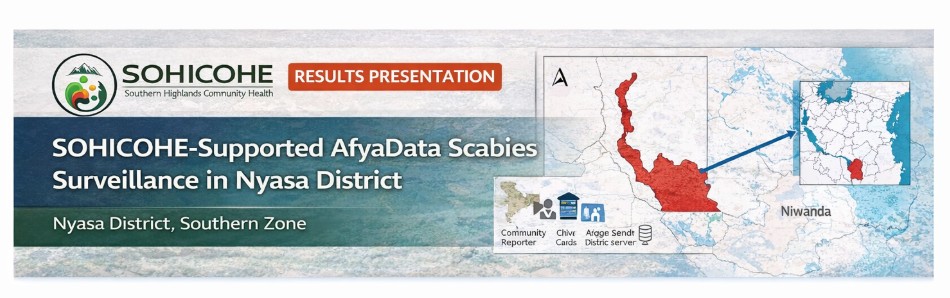
Tunapoadhimisha Siku ya Dunia ya Magonjwa Yaliyopuuzwa (NTDs), SOHICOHE tunawasilisha ushahidi muhimu kutoka Nyasa—ukiwezesha kubuni afua za kudhibiti fukundu na kuimarisha ufuatiliaji wa NTDs kuelekea 2030
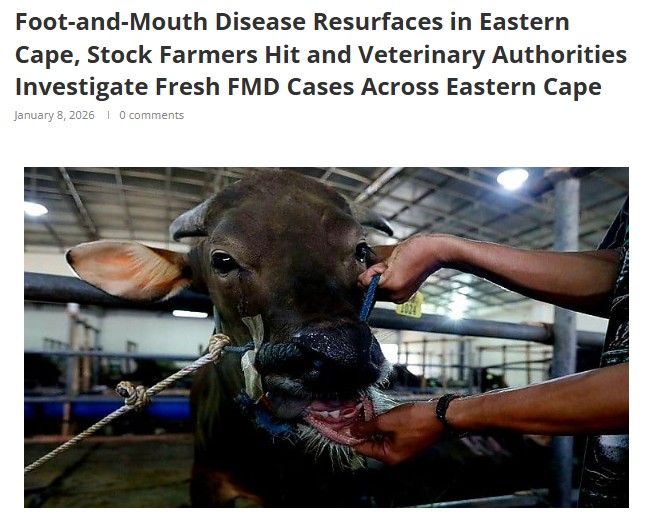
A fresh foot-and-mouth disease (FMD) flare-up in South Africa’s Eastern Cape has triggered livestock movement restrictions until 23 January 2026. This outbreak is a reminder that FMD in Africa is largely driven by animal movement—something also shown by Tanzania’s molecular evidence (1967–2009), where multiple serotypes were genetically linked to East African lineages, underscoring the need for One Health surveillance and coordinated regional control
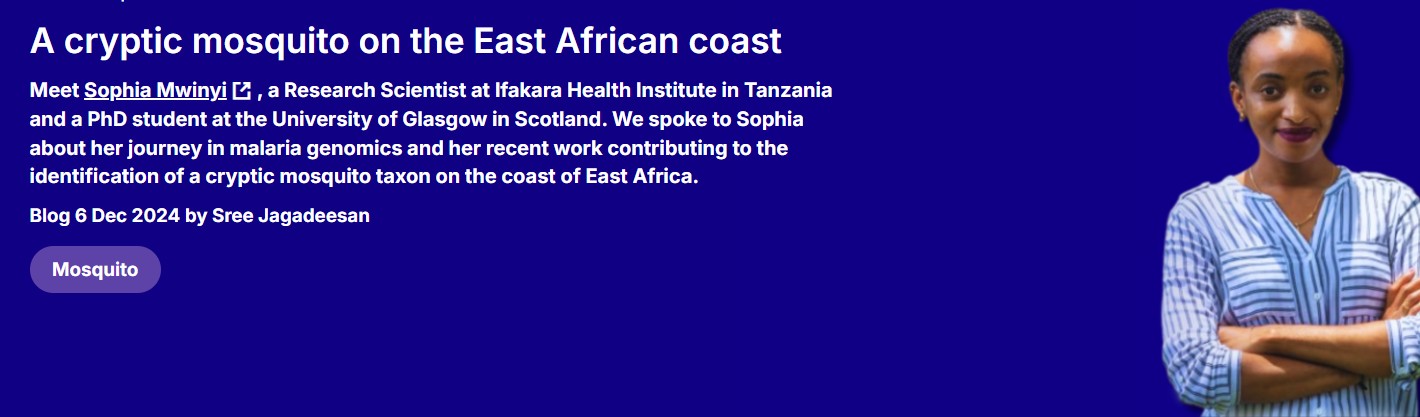
A multidisciplinary research team has identified a previously unknown mosquito within the Anopheles gambiae complex along the coastal regions of Tanzania and Kenya. The mosquito, provisionally named the Pwani molecular form, is genetically distinct and exhibits a unique insecticide resistance profile that differs from known malaria vectors. Led in part by Sophia Mwinyi, the study highlights critical gaps in current malaria vector surveillance and raises concerns about the effectiveness of existing control strategies. The findings underscore the importance of genomic surveillance, integrated research approaches, and stakeholder engagement to address emerging and cryptic threats to malaria control in endemic regions.
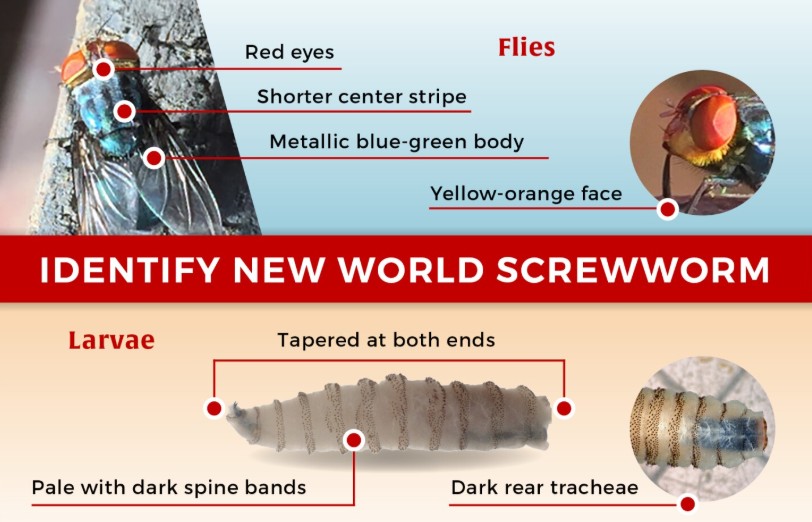
A health alert has been issued in Mexico following an increase in New World screwworm cases affecting pets and livestock. Authorities emphasize early detection, wound management, and prompt veterinary care to prevent severe complications.
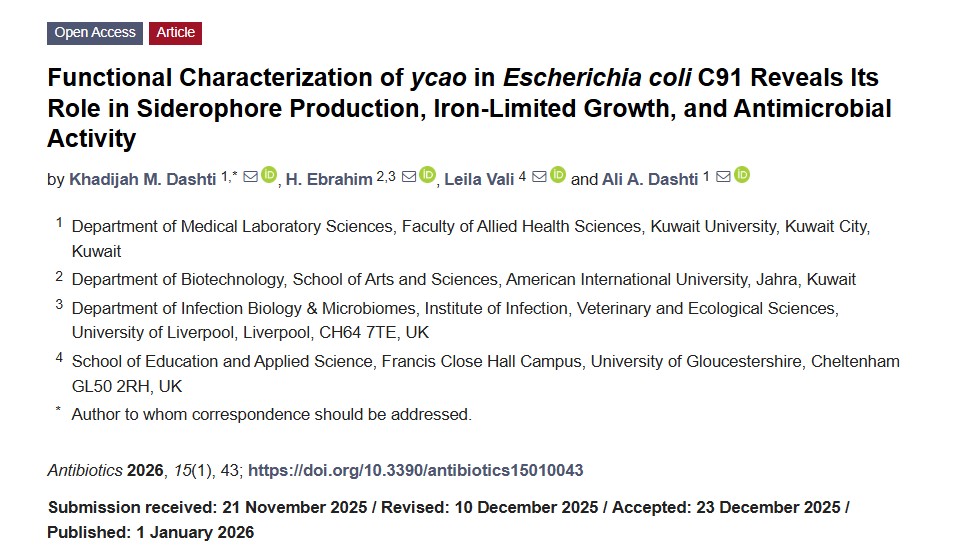
A new study reveals that Escherichia coli can be induced to produce antimicrobial compounds by activating dormant genetic pathways, offering promising new directions for antibiotic discovery and antimicrobial resistance control