Head Quarters
Mbamba Bay Katumbi Street, Plot No. 24
P.O.Box 90 Nyasa, Ruvuma, Tanzania
******************************************
Songwe Sub-Office:
Tunduma, P.O. Box 159, Momba – Tanzania

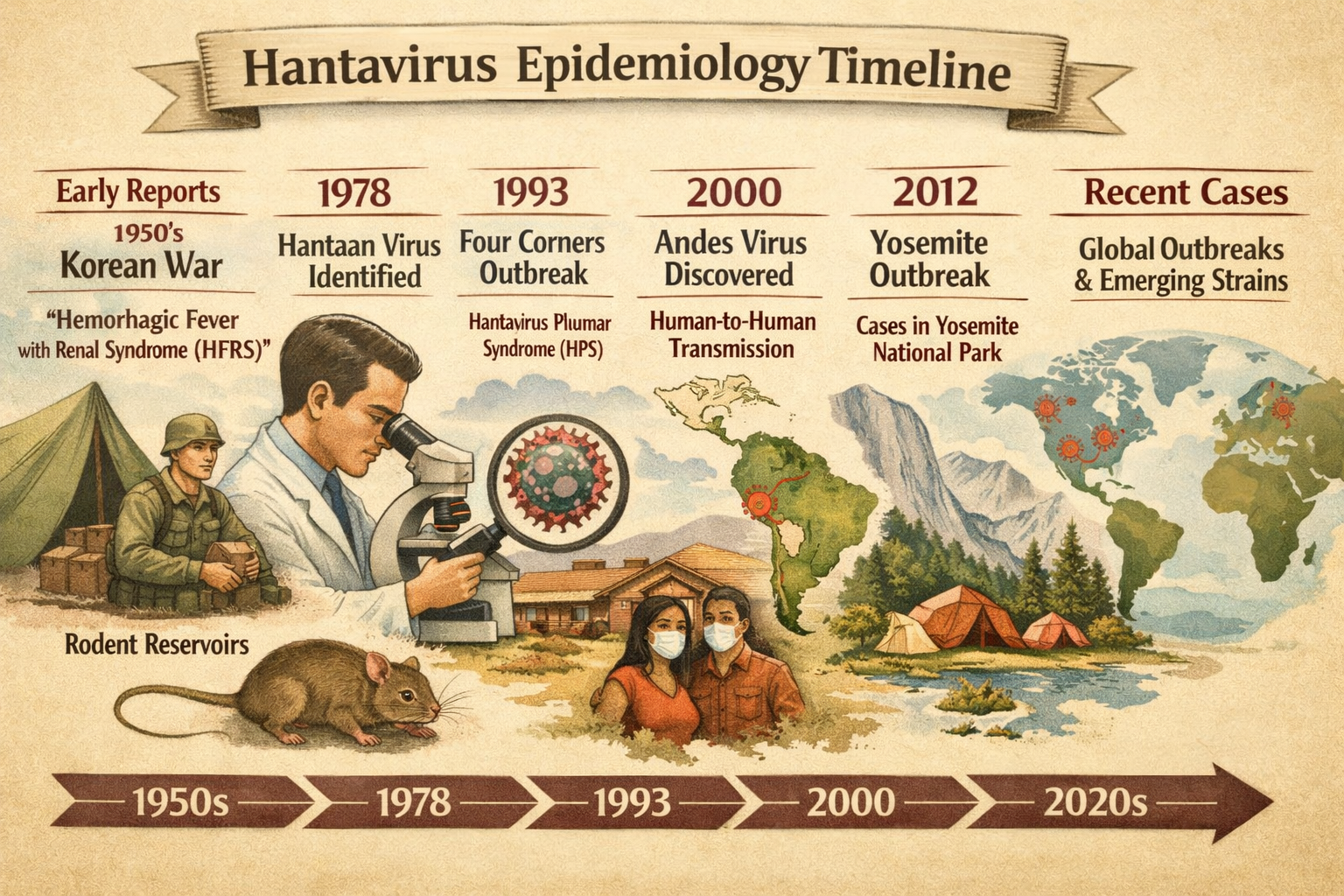
Hantavirus is a group of zoonotic viruses mainly carried by rodents. People can become infected when they inhale or come into contact with dust contaminated by rodent urine, droppings, saliva, or nesting materials. Risk is higher during cleaning of enclosed or poorly ventilated places such as houses, stores, farms, food-storage areas, cabins, warehouses, camps, and rodent-infested dwellings. Early symptoms may look like influenza, COVID-19, dengue, leptospirosis, pneumonia, or sepsis, making early suspicion and exposure history very important.
The 2026 MV Hondius cruise ship outbreak has shown how a rare zoonotic disease can become an international public health event. As of 8 May 2026, the WHO reported eight cases, including three deaths, with six laboratory-confirmed as Andes virus. WHO assessed the risk to the global population as low, but the risk to passengers and crew as moderate.
For Africa, the event is important because parts of the response took place in African settings. WHO reported medical evacuation through Cabo Verde, hospitalization of severe cases in Johannesburg, South Africa, contact tracing involving travel through South Africa, sample shipment support to Institut Pasteur de Dakar in Senegal, and laboratory confirmation at South Africa’s National Institute for Communicable Diseases.
For Tanzania, there is no confirmed hantavirus outbreak linked to this event, but the lesson is clear: rare zoonoses can enter the public health radar through travel, ports, borders, tourism, farms, markets, warehouses, and communities where humans and rodents interact. This is why Tanzania’s IDSR, eIDSR, eEBS, Port Health, environmental health, and community surveillance systems remain important for early detection. Tanzania’s eIDSR suite includes indicator-based surveillance and event-based surveillance, with eEBS supporting reports of unusual health events from communities, health facilities, points of entry, media, and call centers.
SOHICOHE’s public health “third eye” is that hantavirus should not be viewed only as a cruise ship story. It is a signal for stronger One Health preparedness. Human health is linked to rodents, housing conditions, waste management, food storage, farming activities, climate, travel, and environmental hygiene. Tanzania has already shown progress in digital community surveillance, including the 2026 rollout of electronic event-based surveillance in Songwe, where 400 CHWs across five councils were trained to report potential outbreaks using mobile applications, USSD, and SMS-based reporting.
Public Health Outlook: Africa and Global Prediction
Globally, hantavirus infections are uncommon compared with diseases such as malaria, influenza, or COVID-19, but they can be severe. WHO estimates that worldwide hantavirus infections range from about 10,000 to more than 100,000 infections per year, with the largest burden reported in Asia and Europe. In the Americas, some hantaviruses, including Andes virus, can cause severe cardiopulmonary disease with high fatality.
For Africa, the likely future is not a large pandemic, but an increase in detection, alerts, and research findings. A global systematic review found an estimated African hantavirus seroprevalence of 2.21% from six studies, suggesting some level of exposure but limited clinical documentation compared with other regions. This means Africa may have under-detected hantavirus exposure rather than a high number of recognized clinical cases.
In Tanzania, the prediction is that suspected alerts may increase if health workers and CHWs begin asking better exposure questions: rodent contact, cleaning of contaminated rooms, warehouse exposure, farm exposure, travel history, severe breathing difficulty, kidney symptoms, and unexplained deaths. Therefore, any future “rise” in Africa may first appear as improved reporting and laboratory detection, not necessarily as a true explosive increase in transmission.
SOHICOHE Call to Action
SOHICOHE calls for stronger One Health collaboration between communities, CHWs, health facilities, IDSR focal persons, environmental health officers, veterinary and wildlife sectors, laboratories, points of entry, and local government authorities. Hantavirus is not a reason for panic, but it is a reason to strengthen community-based surveillance, safe environmental practices, rodent control, digital reporting, and early response. Rare zoonoses may begin quietly, but they expose the strength or weakness of our preparedness systems. In Tanzania and Africa, the best protection is not fear — it is early detection, community vigilance, clean environments, safe food storage, rodent control, and a strong One Health surveillance system.
Source Acknowledgement
This SOHICOHE public health update was prepared using information from WHO Disease Outbreak News, the WHO Hantavirus Fact Sheet, CDC hantavirus prevention guidance, CDC historical hantavirus case data, ECDC outbreak assessment, WHO Africa reporting on Tanzania electronic event-based surveillance, and systematic review evidence on hantavirus seroprevalence in Africa.
Share This News