Head Quarters
Mbamba Bay Katumbi Street, Plot No. 24
P.O.Box 90 Nyasa, Ruvuma, Tanzania
******************************************
Songwe Sub-Office:
Tunduma, P.O. Box 159, Momba – Tanzania

Between 15 and 23 December 2025, epidemic intelligence released by ProMED documented approximately 20 outbreaks and surveillance alerts across at least 15 African countries, reflecting a complex regional situation dominated by human-to-human transmission and affecting urban centers, refugee camps, and cross-border corridors.
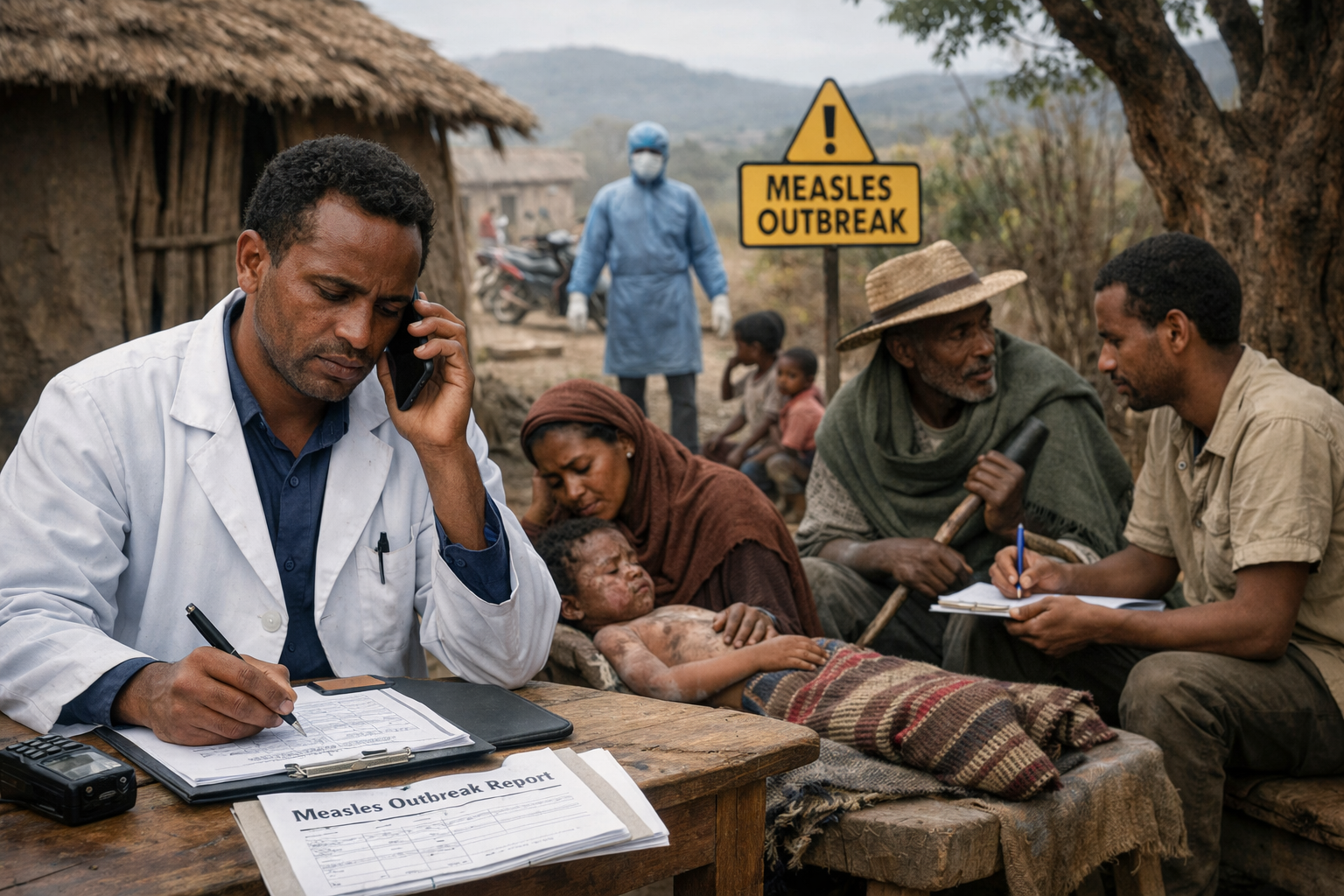
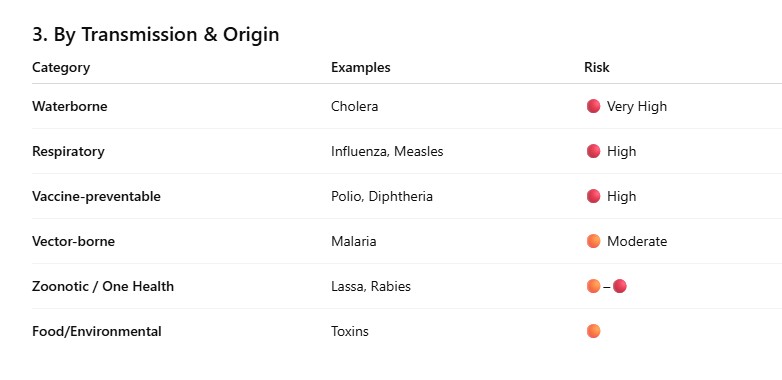
The most significant public health threats included cholera outbreaks with reported fatalities in the Democratic Republic of Congo (Kinshasa and Lomami), Malawi (Lilongwe and Balaka), and Burundi, largely driven by unsafe water, poor sanitation, overcrowding, and rainy-season amplification; measles outbreaks with deaths in Angola and Uganda, highlighting persistent immunization gaps among school-age children; and continued circulation of vaccine-preventable diseases, notably cVDPV2 in Angola and diphtheria in Somalia, signaling declining herd immunity in fragile settings. Seasonal and climate-sensitive transmission was evident through rising Influenza A (H3N2) activity in Algeria and increased malaria cases with fatalities in Sudan.
At the same time, high-fatality zoonotic and environmental events—including Lassa fever in Nigeria, rabies involving wildlife in Namibia, and food-related toxin outbreaks in Côte d’Ivoire—underscored the urgency of a One Health approach integrating human, animal, and environmental surveillance. Collectively, these events point to heightened regional vulnerability driven by population movement, climate variability, strained health systems, and surveillance gaps, reinforcing the need for strengthened cross-border monitoring, timely risk communication, and community-based prevention, with School Health Clubs prioritized by SOHICOHE as sustainable platforms for WASH promotion, vaccination advocacy, early warning awareness, and behavior change to reduce disease spread at community and regional levels.
Between 15 and 23 December 2025, a total of 20 disease outbreaks and surveillance alerts were reported across at least 15 African countries, based on verified epidemic intelligence from ProMED and regional surveillance summaries. The outbreak profile during this period was characterized by predominant human-to-human transmission, with multiple concurrent epidemics affecting urban centers, refugee camps, and cross-border regions. The most frequently reported conditions included cholera, measles, vaccine-preventable diseases (polio and diphtheria), respiratory viral infections (Influenza A H3N2), and high-fatality zoonotic diseases such as Lassa fever and rabies. Collectively, these alerts indicate heightened regional vulnerability driven by population movement, immunization gaps, inadequate WASH conditions, climate-sensitive transmission, and fragile health systems.
Share This News